
-
Luth Ébène Baroque Guitar After Voboam, 5 Course
通常価格 €1,649.99通常価格単価 あたり


- Delivery in 48 hours within Ireland
- UK and Northern Ireland, Delivery in 3-4 working days
- Rest of Europe delivery in 5-6 working days
- Worldwide customers delivery in 5-9 working days
Note: Delivery time can take a bit longer due to current situation with logistics, limited logistics services, backlogs at the ports and depots.


-
Heartland Sellas Baroque Guitar 5 Course Variegated Walnut Ebony
通常価格 €1,499.99通常価格単価 あたり- Delivery in 48 hours within Ireland
- UK and Northern Ireland, Delivery in 3-4 working days
- Rest of Europe delivery in 5-6 working days
- Worldwide customers delivery in 5-9 working days
Note: Delivery time can take a bit longer due to current situation with logistics, limited logistics services, backlogs at the ports and depots.
-
Heartland Sellas Baroque Guitar 5 Course Maple
通常価格 €1,169.99通常価格単価 あたり- Delivery in 48 hours within Ireland
- UK and Northern Ireland, Delivery in 3-4 working days
- Rest of Europe delivery in 5-6 working days
- Worldwide customers delivery in 5-9 working days
Note: Delivery time can take a bit longer due to current situation with logistics, limited logistics services, backlogs at the ports and depots.
-
Heartland Sellas Baroque Guitar, 5 Course Right Hand Rosewood
通常価格 €1,169.99通常価格単価 あたり€1,069.00セール価格 €1,169.99
- Delivery in 48 hours within Ireland
- UK and Northern Ireland, Delivery in 3-4 working days
- Rest of Europe delivery in 5-6 working days
- Worldwide customers delivery in 5-9 working days
Note: Delivery time can take a bit longer due to current situation with logistics, limited logistics services, backlogs at the ports and depots.
売り切れ -
Heartland Sellas Baroque Guitar, 5 Course Walnut
通常価格 €1,169.00通常価格単価 あたり- Delivery in 48 hours within Ireland
- UK and Northern Ireland, Delivery in 3-4 working days
- Rest of Europe delivery in 5-6 working days
- Worldwide customers delivery in 5-9 working days
Note: Delivery time can take a bit longer due to current situation with logistics, limited logistics services, backlogs at the ports and depots.
売り切れ -
Heartland Sellas Baroque Guitar, 5 Course Variegated Walnut Rosewood
通常価格 €1,289.99通常価格単価 あたり- Delivery in 48 hours within Ireland
- UK and Northern Ireland, Delivery in 3-4 working days
- Rest of Europe delivery in 5-6 working days
- Worldwide customers delivery in 5-9 working days
Note: Delivery time can take a bit longer due to current situation with logistics, limited logistics services, backlogs at the ports and depots.
売り切れ -
Heartland Sellas Baroque Guitar, 5 Course Left Hand Variegated Walnut Rosewood
通常価格 €1,199.99通常価格単価 あたり- Delivery in 48 hours within Ireland
- UK and Northern Ireland, Delivery in 3-4 working days
- Rest of Europe delivery in 5-6 working days
- Worldwide customers delivery in 5-9 working days
Note: Delivery time can take a bit longer due to current situation with logistics, limited logistics services, backlogs at the ports and depots.
売り切れ -
Heartland Sellas Baroque Guitar, 5 Course Left Hand Rosewood
通常価格 €1,089.99通常価格単価 あたり- Delivery in 48 hours within Ireland
- UK and Northern Ireland, Delivery in 3-4 working days
- Rest of Europe delivery in 5-6 working days
- Worldwide customers delivery in 5-9 working days
Note: Delivery time can take a bit longer due to current situation with logistics, limited logistics services, backlogs at the ports and depots.
売り切れ -
Heartland Sellas Baroque Guitar, 5 Course Walnut Left Hand
通常価格 €1,089.99通常価格単価 あたり- Delivery in 48 hours within Ireland
- UK and Northern Ireland, Delivery in 3-4 working days
- Rest of Europe delivery in 5-6 working days
- Worldwide customers delivery in 5-9 working days
Note: Delivery time can take a bit longer due to current situation with logistics, limited logistics services, backlogs at the ports and depots.
売り切れ -
Heartland Sellas Baroque Guitar, 5 Course Lacewood
通常価格 €1,169.99通常価格単価 あたり- Delivery in 48 hours within Ireland
- UK and Northern Ireland, Delivery in 3-4 working days
- Rest of Europe delivery in 5-6 working days
- Worldwide customers delivery in 5-9 working days
Note: Delivery time can take a bit longer due to current situation with logistics, limited logistics services, backlogs at the ports and depots.
売り切れ





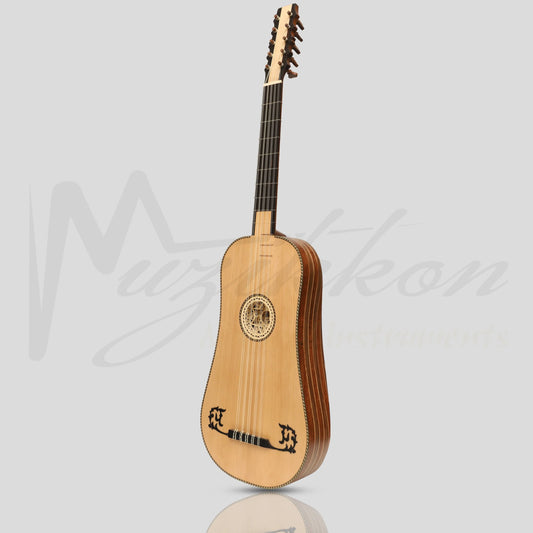
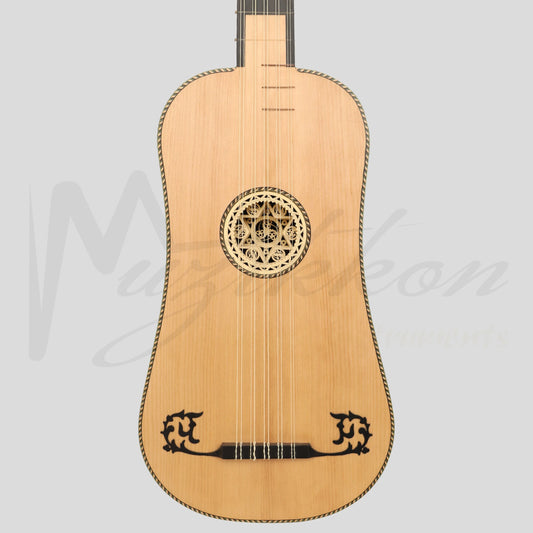


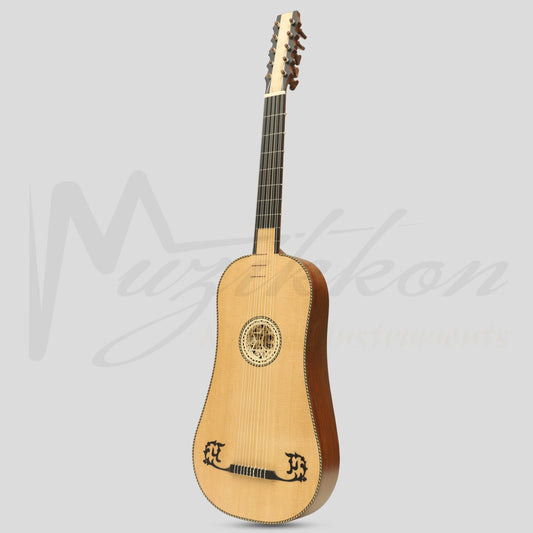
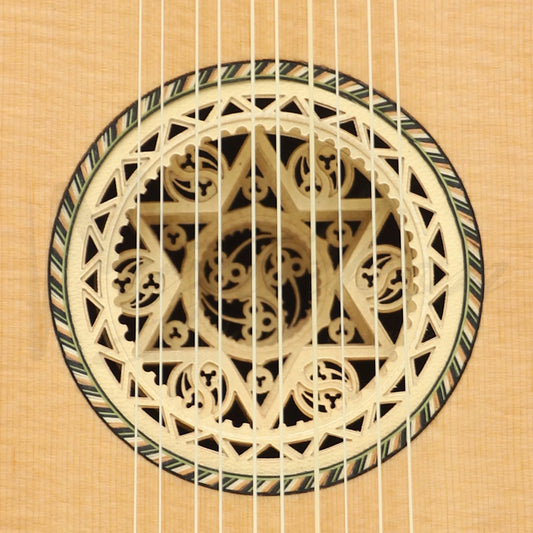
Baroque guitars – elegance from the golden age of plucked instruments
The Baroque guitar represents one of the most captivating chapters in the evolution of plucked string instruments. Emerging in the early 17th century and flourishing throughout the 17th and 18th centuries, it became a favorite of European court musicians and composers across Spain, Italy, and France. With its five courses and ornate design, the Baroque guitar developed alongside the lute and contributed to the evolution of plucked string instruments in Europe.
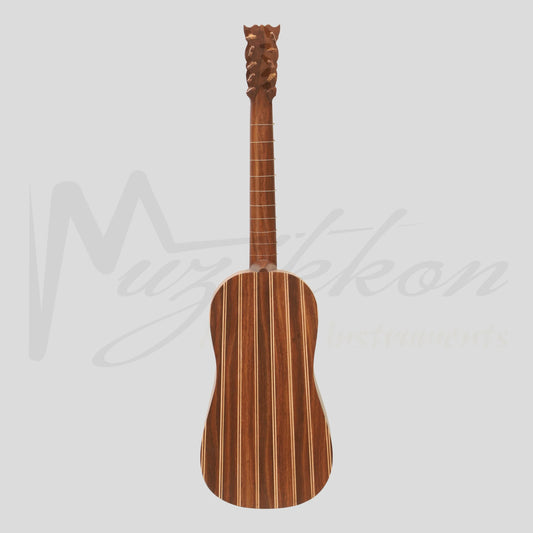
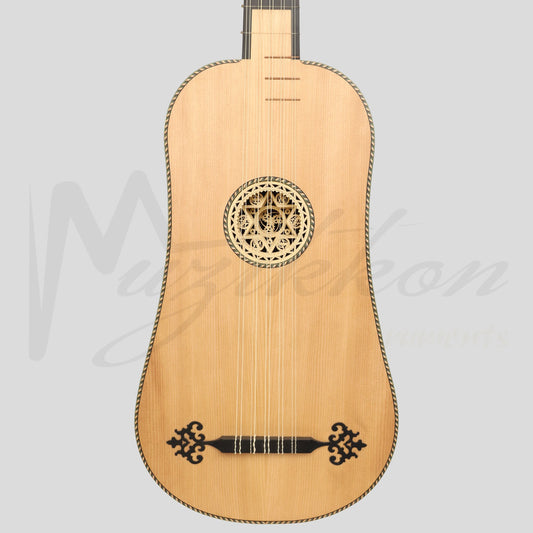
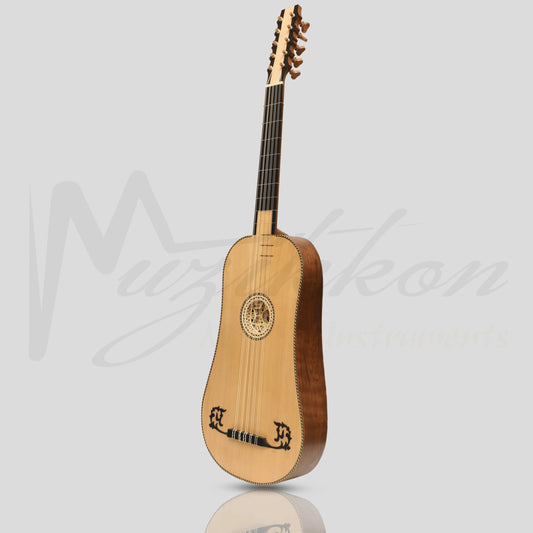
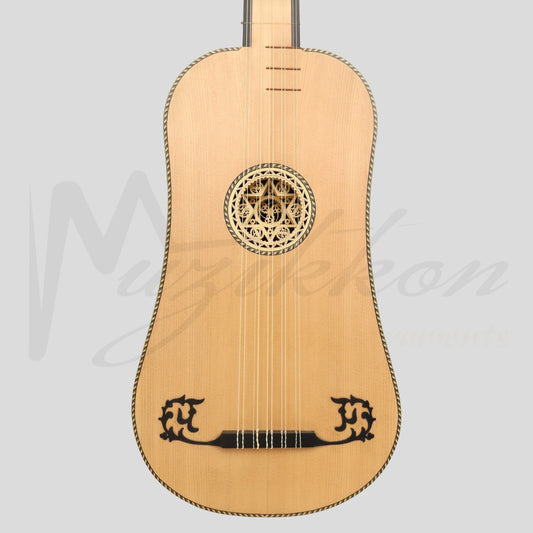
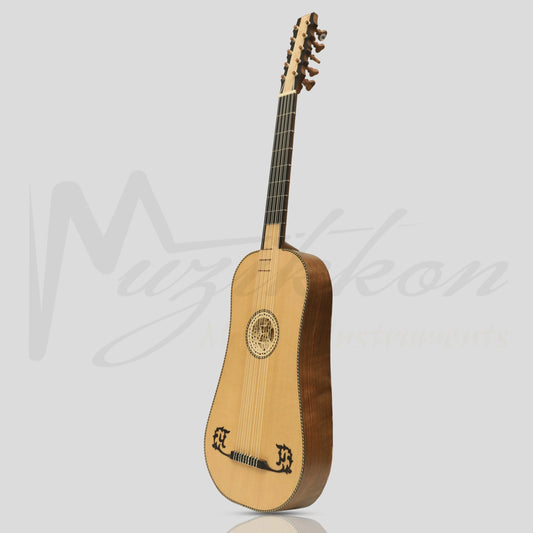
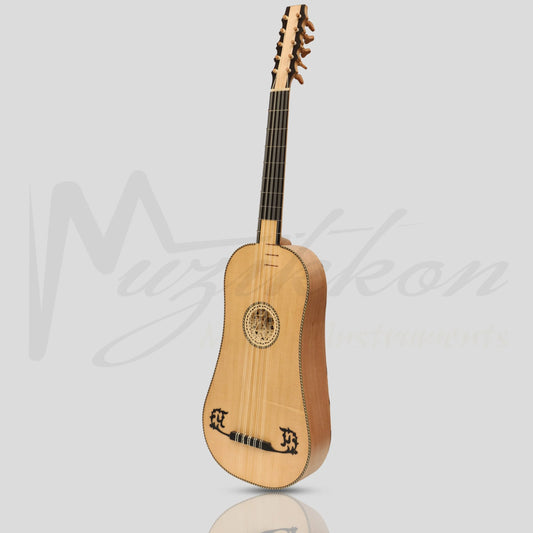
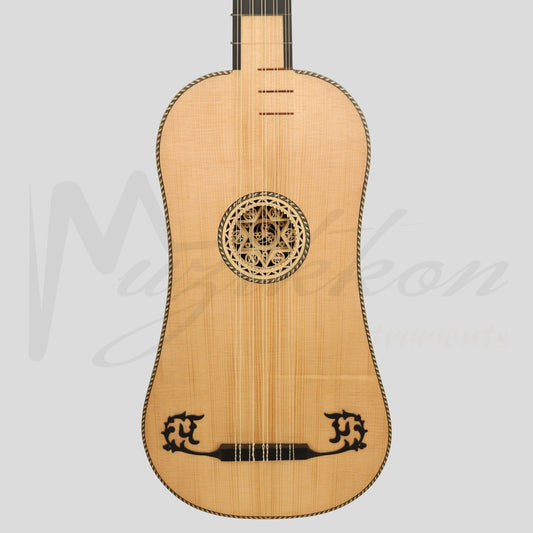
At Muzikkon, our Heartland Series Baroque Guitars are handcrafted to capture the historical authenticity and tonal warmth that defined the instrument’s golden era. Each model features five courses, traditionally strung with gut or modern synthetic strings that emulate gut, a solid spruce soundboard, and a body, bridge, neck, and fingerboard made from select hardwoods such as rosewood, lacewood, locwood, or walnut. The gently arched back enhances resonance, while movable gut-style frets allow players to fine-tune intonation just as musicians did in the 17th and 18th centuries.
These guitars are celebrated for their light string tension and smooth playability, producing a clear, articulate tone with warm projection. They are tuned to the traditional A–D–G–B–E configuration (from lowest to highest course) and can be used with a variety of historical Baroque tunings, with octave or unison pairings depending on period practice, achieving the bright, resonant clarity typical of early Baroque and galant repertoire.
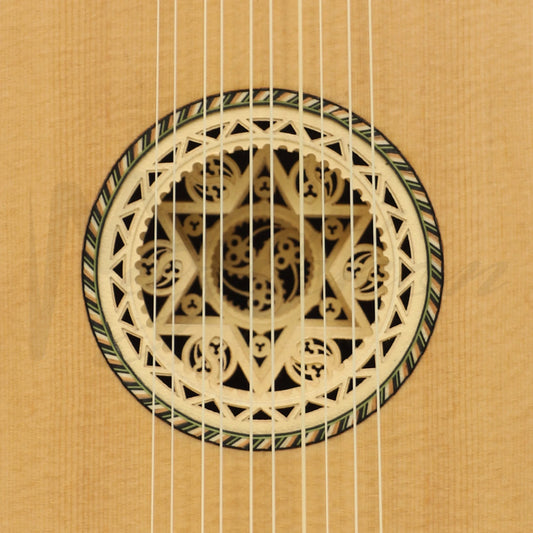
Every Baroque guitar from Muzikkon showcases period craftsmanship, including delicately carved roses, layered purfling, and elegant inlays inspired by 17th- and 18th-century instruments. Each guitar is quality-checked, backed by a 30-day money-back guarantee and a three-year warranty, and shipped worldwide so that musicians everywhere can enjoy its historical sound and visual beauty.
Explore our Baroque Guitar Collection to discover models that bring the sophistication of early European music into the hands of modern players.